

Does the Electromagnet Module generate heat during operation?
Leave a message

As a supplier of electromagnet modules, I often get asked a ton of questions from customers. One question that pops up quite a bit is, "Does the electromagnet module generate heat during operation?" Well, let's dig into this topic and find out.
First off, it's important to understand how an electromagnet module works. An electromagnet is basically a coil of wire wound around a core, usually made of iron or some other ferromagnetic material. When an electric current flows through the coil, it creates a magnetic field. This magnetic field is what gives electromagnets their super - useful properties, like attracting or repelling other magnetic objects.
Now, to answer the big question: yes, electromagnet modules do generate heat during operation. This is due to a couple of key factors. The main one is electrical resistance. Just like any electrical component, the wire in the coil of the electromagnet has resistance. According to Ohm's Law (V = IR, where V is voltage, I is current, and R is resistance), when current passes through a resistor (in this case, the wire), electrical energy is converted into heat energy. This is known as Joule heating.
Let's say you have an electromagnet module with a relatively high - resistance coil and you pass a significant amount of current through it. The higher the resistance and the current, the more heat is generated. For example, if you increase the current flowing through the coil, the power dissipated as heat (P = I²R) will increase exponentially.
Another factor that can contribute to heat generation is magnetic hysteresis. When the magnetic field in the core of the electromagnet changes, the magnetic domains in the core material realign. This realignment process isn't 100% efficient, and some energy is lost as heat. The type of core material plays a big role here. Materials with high hysteresis losses will generate more heat compared to those with low losses.
So, is heat generation a bad thing? Well, it depends. In some cases, a little bit of heat is normal and won't cause any problems. But if the heat builds up too much, it can lead to a bunch of issues. For one, excessive heat can reduce the performance of the electromagnet. As the temperature rises, the resistance of the coil increases even more, which can cause a drop in the magnetic field strength. This means the electromagnet might not be able to attract or hold objects as effectively as it should.

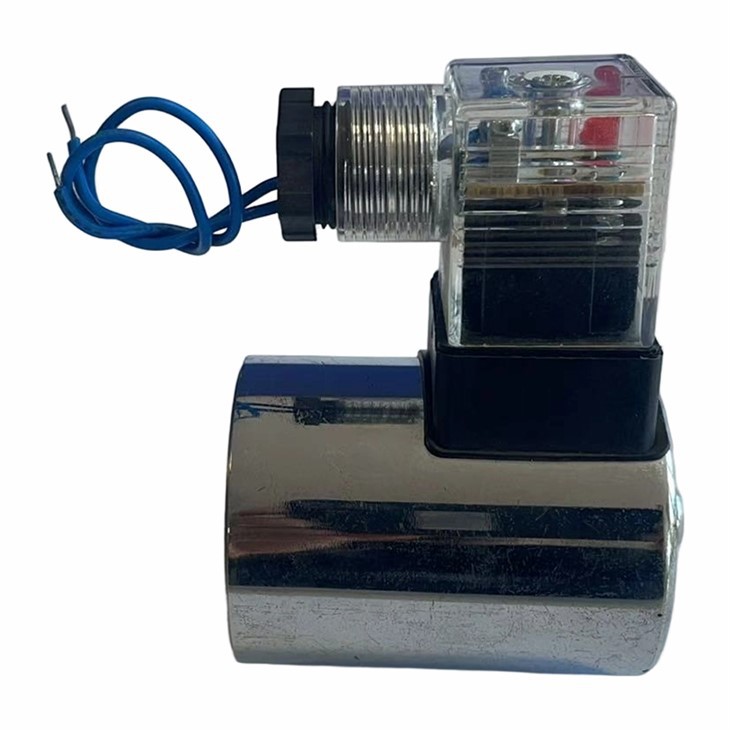
Moreover, high temperatures can also damage the insulation on the wire in the coil. If the insulation breaks down, it can lead to short - circuits, which can be a real headache. And let's not forget about the lifespan of the electromagnet module. Prolonged exposure to high temperatures can shorten the life of the components, leading to premature failure.
As a supplier, we're well - aware of these potential problems, and we take steps to manage heat generation in our electromagnet modules. One common approach is to use materials with low resistance for the coil. Copper is a popular choice because it has relatively low resistance and is a good conductor of electricity. We also pay close attention to the design of the coil, making sure it has an appropriate number of turns and a suitable cross - sectional area to minimize resistance.
In addition, we use core materials with low hysteresis losses. Soft magnetic materials like silicon steel are often used because they can be easily magnetized and demagnetized with minimal energy loss.
We also incorporate cooling mechanisms in some of our electromagnet modules. For instance, we might add heat sinks to dissipate the heat more effectively. Heat sinks are made of materials with high thermal conductivity, like aluminum, and they increase the surface area through which heat can be transferred to the surrounding environment.
Now, let's talk about the different types of electromagnet modules we offer. We have a wide range of products for various applications. For example, we have the Electromagnet for Massager. These electromagnets are designed to provide gentle magnetic stimulation in massaging devices. They need to operate quietly and efficiently, and heat management is crucial to ensure a long - lasting and reliable performance.
We also offer Vehicle Electromagnet modules. In automotive applications, electromagnets are used in things like door locks, fuel injectors, and solenoids. These modules need to be able to withstand the harsh conditions inside a vehicle, including high temperatures and vibrations. Our design and manufacturing processes take these factors into account to ensure that the electromagnets can perform well under such demanding circumstances.
Another type is the Electromagnet for Pipe Valve. These electromagnets are used to control the flow of fluids in pipes. They need to be reliable and precise, and heat management is essential to prevent any malfunctions that could lead to leaks or other problems.
If you're in the market for an electromagnet module, it's important to consider your specific requirements. Think about the amount of current you'll be passing through the module, the operating environment, and the level of performance you need. We're here to help you choose the right product for your needs.
Whether you're looking for an Electromagnet for Massager, a Vehicle Electromagnet, or an Electromagnet for Pipe Valve, we've got you covered. Our team of experts can provide you with all the information you need and help you make an informed decision.
If you're interested in learning more or want to discuss your specific needs, feel free to reach out. We're always happy to have a chat and see how we can assist you with your electromagnet module requirements.
References
- Halliday, D., Resnick, R., & Walker, J. (2014). Fundamentals of Physics. Wiley.
- Grover, F. W. (1946). Inductance Calculations: Working Formulas and Tables. Dover Publications.


