

How to recharge an elevator magnet (if applicable)?
Leave a message

In the dynamic world of elevator systems, elevator magnets play a pivotal role in ensuring smooth and safe operations. As a leading Elevator Magnet supplier, we understand the importance of maintaining and recharging these crucial components. In this blog, we will delve into the process of recharging an elevator magnet, where applicable, and provide valuable insights to help you keep your elevator systems in optimal condition.
Understanding Elevator Magnets
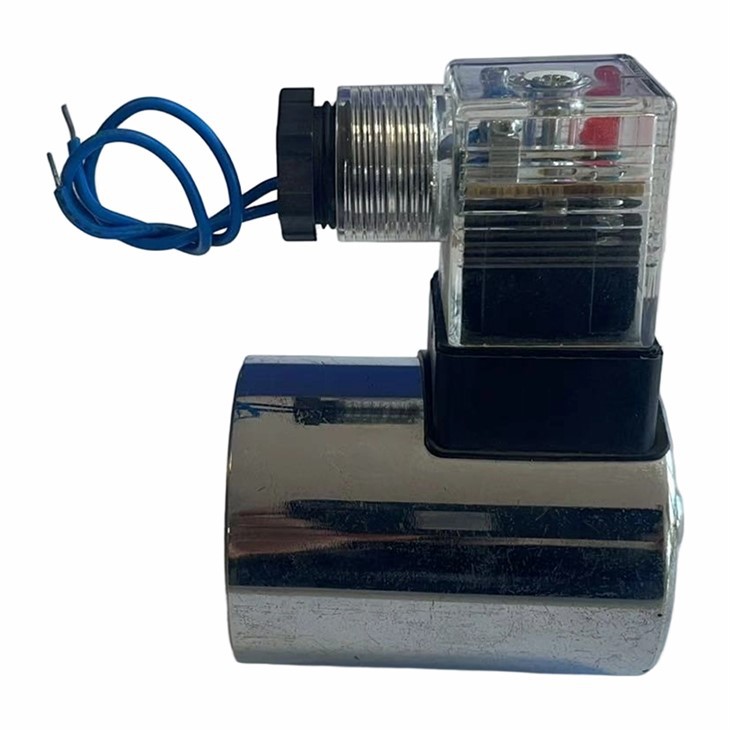
Elevator magnets are essential parts of elevator systems, used in various applications such as door locking mechanisms, braking systems, and control systems. They come in different types, including Holding Electromagnet, Solenoid Valve Magnet, and Electromagnet for Pipe Valve. Each type has its unique characteristics and functions, but they all rely on the principle of electromagnetism to operate.
When to Recharge an Elevator Magnet
Not all elevator magnets require recharging. Permanent magnets, for example, do not lose their magnetic properties over time and do not need to be recharged. However, electromagnets, which generate a magnetic field when an electric current passes through them, may need to be recharged or have their power supply adjusted under certain circumstances.
Signs that an elevator magnet may need attention include:
- Reduced Holding Force: If the magnet is not holding as strongly as it used to, it could indicate a loss of magnetic strength.
- Inconsistent Operation: Erratic behavior, such as the door not closing properly or the brake not engaging correctly, may be a sign of a magnet issue.
- Overheating: Excessive heat can damage the magnet and reduce its performance.
Recharging an Elevator Magnet: A Step-by-Step Guide
If you have determined that your elevator magnet needs to be recharged, follow these steps:
Step 1: Safety First
Before attempting any maintenance on an elevator magnet, ensure that the elevator is safely shut down and isolated from the power supply. This will prevent any potential electrical hazards and protect you from injury.
Step 2: Identify the Magnet Type
Determine whether the magnet is a permanent magnet or an electromagnet. As mentioned earlier, permanent magnets do not need to be recharged, so if you have a permanent magnet, you may need to consider other solutions such as replacement.
Step 3: Check the Power Supply
For electromagnets, the first step is to check the power supply. Ensure that the voltage and current are within the specified range for the magnet. If the power supply is unstable or insufficient, it can cause the magnet to lose its magnetic strength.
Step 4: Inspect the Magnet
Carefully examine the magnet for any signs of damage, such as cracks, corrosion, or loose connections. If you find any issues, repair or replace the magnet as necessary.
Step 5: Recharge the Magnet
If the magnet is an electromagnet and the power supply is working properly, you can recharge it by applying the appropriate voltage and current. Follow the manufacturer's instructions for the specific magnet to ensure that you are using the correct settings.

Step 6: Test the Magnet
After recharging the magnet, test its performance to ensure that it is working correctly. You can do this by checking the holding force, the operation of the elevator components that rely on the magnet, and any other relevant parameters.
Maintenance Tips for Elevator Magnets
To keep your elevator magnets in good condition and prevent the need for frequent recharging, follow these maintenance tips:
- Regular Inspections: Conduct regular inspections of the elevator magnets to check for any signs of wear, damage, or malfunction.
- Cleaning: Keep the magnets clean and free from dirt, dust, and debris. This will help to maintain their performance and prevent corrosion.
- Proper Installation: Ensure that the magnets are installed correctly and securely. Improper installation can cause the magnets to misalign or become loose, which can affect their performance.
- Temperature Control: Elevator magnets can be sensitive to temperature changes. Keep the elevator environment within the recommended temperature range to prevent overheating or cold damage.
Conclusion
Recharging an elevator magnet is a crucial part of maintaining the safety and efficiency of your elevator system. By understanding the process and following the steps outlined in this blog, you can ensure that your elevator magnets are in optimal condition and functioning properly.
As a trusted Elevator Magnet supplier, we are committed to providing high-quality products and exceptional customer service. If you have any questions or need assistance with your elevator magnets, please do not hesitate to contact us. We look forward to helping you with your elevator magnet needs and discussing potential procurement opportunities.
References
- Manufacturer's manuals for elevator magnets
- Industry standards and guidelines for elevator maintenance


