

What is the importance of the insulation in an Electric Magnetic Coil?
Leave a message

Insulation plays a crucial role in an electric magnetic coil, a key component in various electrical and electronic applications. As a seasoned supplier of electric magnetic coils, I've witnessed firsthand the significance of proper insulation in ensuring the performance, safety, and longevity of these coils. In this blog, I'll delve into the importance of insulation in an electric magnetic coil and how it impacts different aspects of its operation.
1. Electrical Safety
One of the primary reasons for insulating an electric magnetic coil is to ensure electrical safety. When an electric current flows through a coil, it generates a magnetic field. However, without proper insulation, the current can leak, posing a significant risk of electric shock to users and causing damage to surrounding equipment. Insulation materials act as a barrier, preventing the current from escaping the coil and coming into contact with other conductive materials.
For instance, in industrial settings where electric magnetic coils are used in heavy machinery, proper insulation is essential to protect workers from potential electrical hazards. A well-insulated coil reduces the risk of short circuits, which can lead to fires or explosions. This is especially important in environments where flammable substances are present, such as in chemical plants or oil refineries. Our Explosion-Proof Electromagnet for Pipe Valve is designed with high-quality insulation to ensure safe operation in hazardous environments.
2. Performance and Efficiency
Insulation also plays a vital role in enhancing the performance and efficiency of an electric magnetic coil. When a coil is properly insulated, it can maintain a stable magnetic field, which is essential for its proper functioning. Insulation helps to reduce energy losses due to heat dissipation, ensuring that the coil operates at its optimal efficiency.
In addition, insulation can prevent the coil from overheating, which can cause damage to the coil and reduce its lifespan. By maintaining a stable temperature, the coil can operate more reliably and provide consistent performance over time. This is particularly important in applications where the coil is required to operate continuously, such as in electric motors or generators. Our Powerful Electromagnet is designed with advanced insulation materials to ensure high performance and efficiency.
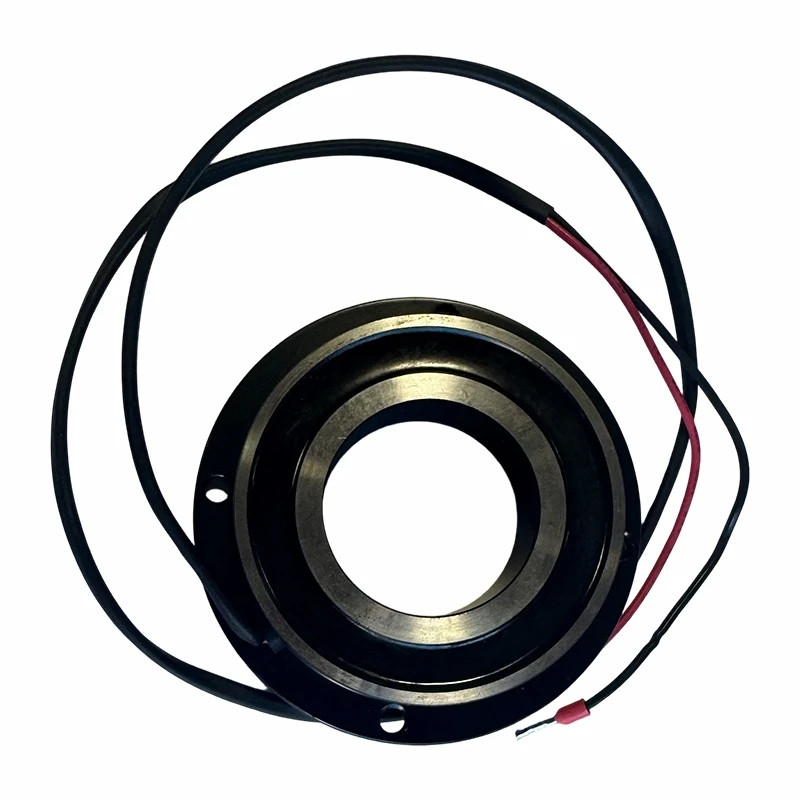

3. Durability and Longevity
Another important aspect of insulation in an electric magnetic coil is its impact on durability and longevity. Insulation materials protect the coil from environmental factors such as moisture, dust, and chemicals, which can cause corrosion and damage to the coil over time. By providing a protective barrier, insulation helps to extend the lifespan of the coil and reduce the need for frequent maintenance and replacement.
In addition, insulation can prevent mechanical damage to the coil, such as abrasion or vibration. This is particularly important in applications where the coil is subject to harsh operating conditions, such as in automotive or aerospace industries. Our Electromagnetic Door Holder is designed with durable insulation materials to ensure long-term reliability and performance.
4. Compatibility and Integration
Insulation also plays a role in ensuring the compatibility and integration of an electric magnetic coil with other components in a system. Different insulation materials have different properties, such as dielectric strength, thermal conductivity, and chemical resistance. By selecting the appropriate insulation material, the coil can be designed to meet the specific requirements of the application and ensure compatibility with other components in the system.
For example, in a high-voltage application, a coil with high dielectric strength insulation is required to prevent electrical breakdown. In a high-temperature application, a coil with high thermal conductivity insulation is required to dissipate heat effectively. By working closely with our customers, we can select the appropriate insulation material and design the coil to meet their specific requirements.
5. Regulatory Compliance
Finally, insulation in an electric magnetic coil is essential for regulatory compliance. In many industries, there are strict regulations and standards regarding electrical safety and performance. By using proper insulation materials and following the relevant standards, the coil can meet the regulatory requirements and ensure the safety and reliability of the system.
For example, in the automotive industry, electric magnetic coils used in vehicles must meet strict safety standards to ensure the safety of passengers and drivers. In the aerospace industry, coils used in aircraft must meet stringent performance and reliability requirements to ensure the safety of the aircraft and its passengers. By working with a reputable supplier like us, you can ensure that your electric magnetic coils meet the relevant regulatory requirements.
In conclusion, insulation is a critical component of an electric magnetic coil, playing a vital role in ensuring electrical safety, performance, efficiency, durability, compatibility, and regulatory compliance. As a leading supplier of electric magnetic coils, we understand the importance of proper insulation and offer a wide range of coils with high-quality insulation materials to meet the specific requirements of our customers. If you're looking for reliable and high-performance electric magnetic coils, please don't hesitate to contact us for more information and to discuss your specific needs.
References
- Grover, F. W. (1946). Inductance Calculations: Working Formulas and Tables. Dover Publications.
- Chapman, S. J. (2012). Electric Machinery Fundamentals. McGraw-Hill.
- IEEE Standards Association. (2018). IEEE Standard for Insulation Systems for Wire-Wound Coils and Equipment. IEEE.


