

Are there any special requirements for the power supply of an electromagnetic chuck?
Leave a message

Hey there! As a supplier of electromagnetic chucks, I often get asked about the special requirements for their power supply. Let's dig into this topic and find out what you need to know.
First off, let's understand what an electromagnetic chuck is. It's a handy device that uses electromagnetic force to hold ferromagnetic materials in place. They're used in a whole bunch of industries, like machining, metalworking, and even in some high - tech applications.
Voltage Requirements
One of the most important aspects of the power supply for an electromagnetic chuck is the voltage. The voltage needs to be stable and within a specific range. Most electromagnetic chucks operate on either 110V or 220V AC power, but there are also some that work on DC power.
If the voltage is too low, the chuck won't generate enough magnetic force to hold the workpiece securely. On the other hand, if the voltage is too high, it can overheat the chuck and damage the coils. So, it's crucial to make sure that the power supply provides the correct voltage.
For example, if you're using a chuck in a small workshop, a 110V power supply might be sufficient. But in a large industrial setting where you need more powerful chucks, a 220V or even a higher - voltage DC power supply could be required.
Current and Power Rating
The current and power rating of the power supply are also key factors. The current flowing through the electromagnetic chuck determines the strength of the magnetic field. A higher current generally means a stronger magnetic field, but it also means more power consumption.
You need to match the power rating of the power supply with the requirements of the chuck. If the power supply can't provide enough current, the chuck won't work properly. And if you use a power supply with a much higher power rating than necessary, it can lead to inefficiencies and increased costs.
Let's say you have a medium - sized electromagnetic chuck. You'll need to check its specifications to find out the recommended current and power. Then, you can choose a power supply that can meet those requirements.
Frequency
In the case of AC power supplies, the frequency is another consideration. Most power grids around the world operate at either 50Hz or 60Hz. The electromagnetic chuck is designed to work with a specific frequency. Using a power supply with the wrong frequency can cause the chuck to malfunction or even damage it.
For instance, if a chuck is designed to work at 50Hz and you use a 60Hz power supply, it might overheat or not generate the correct magnetic field. So, always make sure that the frequency of the power supply matches the requirements of the chuck.
Stability and Regulation
A stable power supply is essential for the proper functioning of an electromagnetic chuck. Voltage fluctuations can cause the magnetic force to vary, which can lead to the workpiece slipping or the chuck overheating.
To ensure stability, you might need to use a regulated power supply. A regulated power supply can maintain a constant voltage and current, even if there are changes in the input power. This is especially important in industrial environments where power quality can be inconsistent.
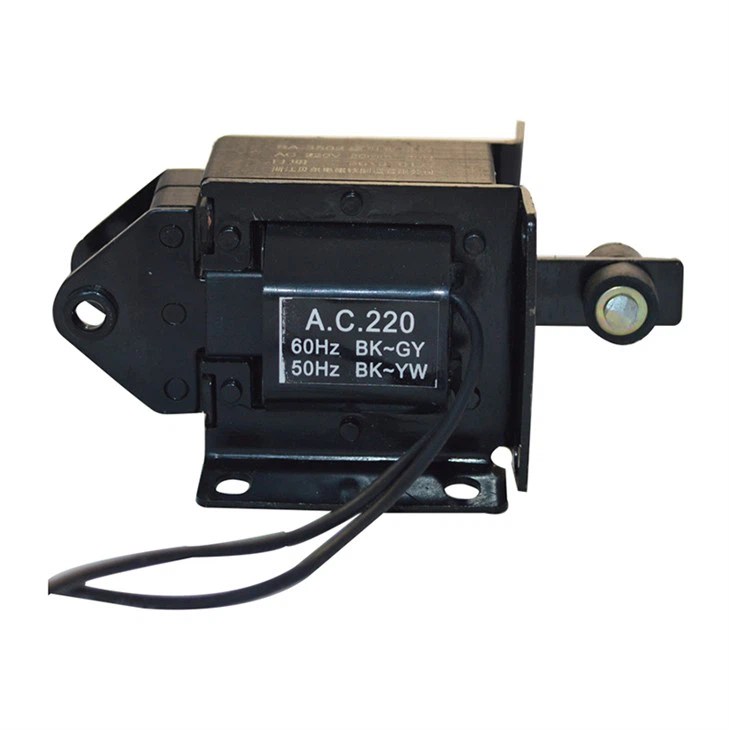

Special Considerations for Different Types of Electromagnetic Chucks
There are different types of electromagnetic chucks, and each might have its own specific power supply requirements.
- Push Pull Electromagnet: These electromagnets are designed to provide a pushing or pulling force. You can learn more about them Push Pull Electromagnet. They often require a power supply that can provide a quick and strong burst of current to generate the necessary force. The power supply needs to be able to handle the rapid changes in current demand.
- Vehicle Electromagnet: Used in vehicles for various applications, such as door locks or actuators. Check out Vehicle Electromagnet. These chucks need a power supply that can operate within the vehicle's electrical system. This means they need to be able to handle the voltage variations that are common in automotive electrical systems.
- Waterproof Electromagnet: These are designed to work in wet or humid environments. You can find more info on Waterproof Electromagnet. The power supply for a waterproof electromagnet needs to be protected against moisture and corrosion. It might also need to be more robust to withstand the harsh conditions.
Safety Precautions
When dealing with the power supply of an electromagnetic chuck, safety is of utmost importance. Make sure that the power supply is properly grounded to prevent electrical shocks. Also, use appropriate fuses and circuit breakers to protect the chuck and the power supply from over - current situations.
It's also a good idea to have a professional electrician install and maintain the power supply. They can ensure that everything is set up correctly and that there are no potential safety hazards.
Conclusion
In conclusion, there are indeed several special requirements for the power supply of an electromagnetic chuck. From voltage and current requirements to frequency and stability, every aspect needs to be carefully considered.
If you're in the market for an electromagnetic chuck or need advice on the power supply requirements, don't hesitate to reach out. We're here to help you find the right solution for your needs. Whether you're a small - scale workshop or a large industrial facility, we can provide you with high - quality electromagnetic chucks and the necessary guidance on power supply.
References
- General knowledge about electromagnetic chucks and power supplies from industry experience.
- Technical specifications of various electromagnetic chucks and power supply units.


