

How to choose the appropriate size of a DC solenoid?
Leave a message

When it comes to selecting the appropriate size of a DC solenoid, several crucial factors need to be considered to ensure optimal performance and efficiency. As a DC solenoid supplier, we understand the importance of guiding our customers through this process to meet their specific requirements. In this blog, we will explore the key elements involved in choosing the right size for a DC solenoid.
Understanding the Basics of DC Solenoids
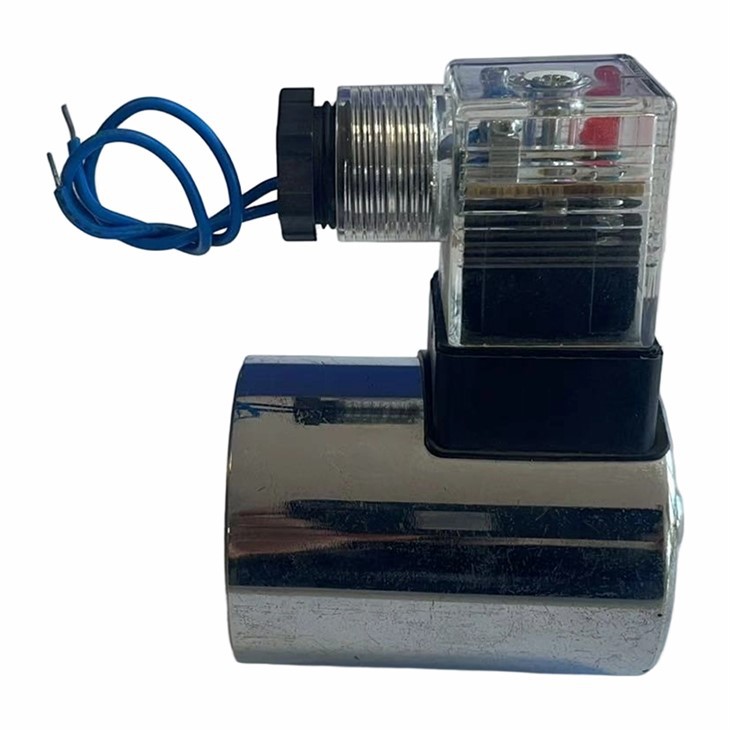
A DC solenoid is an electromechanical device that converts electrical energy into linear motion. It consists of a coil of wire wound around a core, which creates a magnetic field when an electric current passes through it. This magnetic field then generates a force that moves a plunger or armature, allowing the solenoid to perform various tasks such as opening or closing valves, actuating switches, or controlling mechanical systems.
Factors to Consider When Choosing the Size of a DC Solenoid
1. Force Requirements
The first and most important factor to consider is the force required to perform the intended task. This force is typically measured in Newtons (N) or pounds-force (lbf). To determine the force requirements, you need to consider the load that the solenoid will be acting against. For example, if you are using a solenoid to open a valve, you need to know the pressure of the fluid or gas inside the valve and the area of the valve seat. The force required to open the valve can then be calculated using the formula:
Force = Pressure × Area
Once you have determined the force requirements, you can select a solenoid that is capable of providing the necessary force. It is important to choose a solenoid with a force rating that is slightly higher than the calculated force to ensure reliable operation.

2. Stroke Length
The stroke length is the distance that the plunger or armature of the solenoid can move. This is an important factor to consider because it determines the range of motion that the solenoid can provide. The stroke length is typically measured in millimeters (mm) or inches (in). To determine the required stroke length, you need to consider the application and the distance that the solenoid needs to move to perform the intended task. For example, if you are using a solenoid to actuate a switch, you need to know the distance that the switch needs to be moved to open or close.
3. Duty Cycle
The duty cycle is the percentage of time that the solenoid is energized. This is an important factor to consider because it affects the temperature of the solenoid and its lifespan. A solenoid with a high duty cycle will generate more heat and may require additional cooling to prevent overheating. To determine the required duty cycle, you need to consider the application and the frequency of operation. For example, if you are using a solenoid to actuate a valve that is opened and closed frequently, you may need a solenoid with a high duty cycle.
4. Voltage and Current
The voltage and current requirements of the solenoid are also important factors to consider. The voltage and current determine the strength of the magnetic field generated by the solenoid and the amount of power that it consumes. To determine the required voltage and current, you need to consider the power source and the electrical characteristics of the solenoid. For example, if you are using a DC power source, you need to choose a solenoid that is designed to operate at the voltage of the power source.
5. Environmental Conditions
The environmental conditions in which the solenoid will be used are also important factors to consider. The temperature, humidity, and presence of dust or other contaminants can affect the performance and lifespan of the solenoid. To ensure reliable operation, you need to choose a solenoid that is designed to withstand the environmental conditions in which it will be used. For example, if you are using a solenoid in a high-temperature environment, you may need a solenoid that is designed to operate at high temperatures.
Types of DC Solenoids
There are several types of DC solenoids available, each with its own unique characteristics and applications. Some of the most common types of DC solenoids include:
1. Tractive Electromagnet
A tractive electromagnet is a type of DC solenoid that is designed to pull or attract a ferromagnetic object. Tractive electromagnets are commonly used in applications such as door locks, relays, and actuators. You can learn more about tractive electromagnets here.
2. Electromagnet for Pipe Valve
An electromagnet for pipe valve is a type of DC solenoid that is designed to control the flow of fluid or gas through a pipe. These solenoids are commonly used in applications such as water treatment plants, industrial processes, and HVAC systems. You can learn more about electromagnets for pipe valves here.
3. Explosion Proof Electromagnet
An explosion proof electromagnet is a type of DC solenoid that is designed to operate in hazardous environments where there is a risk of explosion. These solenoids are commonly used in applications such as oil and gas refineries, chemical plants, and mining operations. You can learn more about explosion proof electromagnets here.
Conclusion
Choosing the appropriate size of a DC solenoid is a critical decision that can have a significant impact on the performance and efficiency of your application. By considering the factors discussed in this blog, you can select a solenoid that is capable of providing the necessary force, stroke length, duty cycle, voltage, and current for your specific requirements. If you have any questions or need further assistance in choosing the right size of a DC solenoid, please do not hesitate to contact us. We are here to help you find the best solution for your application.


