

What are the anti - interference measures for a lifting electromagnet?
Leave a message

Hey there! As a supplier of lifting electromagnets, I've seen firsthand how important it is to have effective anti - interference measures in place. In this blog, I'll share some key anti - interference measures for lifting electromagnets that can help you get the most out of your equipment.
Understanding the Interference Problem
Before we dive into the anti - interference measures, let's first understand what kind of interference a lifting electromagnet might face. Interference can come from various sources, such as other electrical equipment in the vicinity, power line fluctuations, and even electromagnetic radiation from radio and TV stations. These interferences can cause the lifting electromagnet to malfunction, reduce its lifting capacity, or even lead to safety hazards.
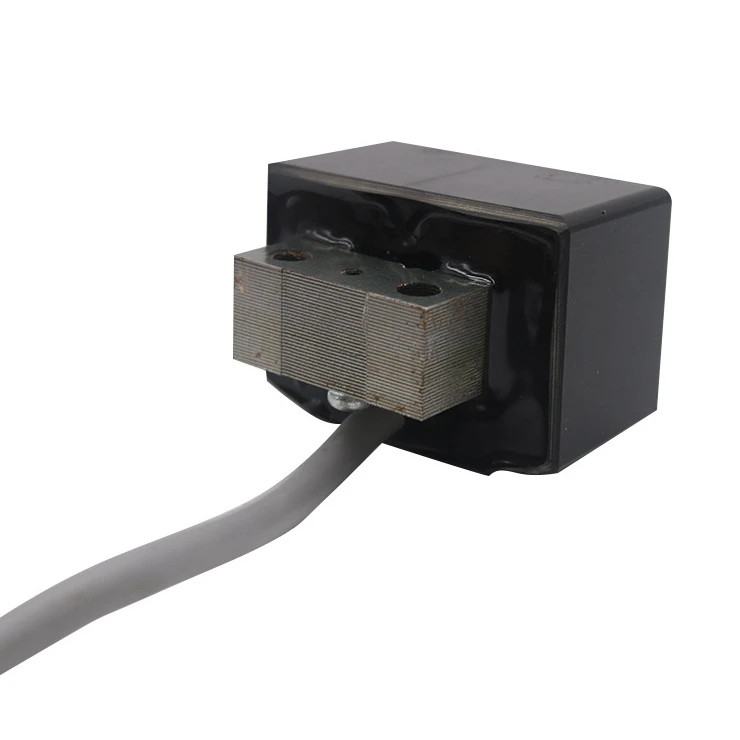

Shielding
One of the most effective anti - interference measures is shielding. Shielding involves using a conductive material to surround the lifting electromagnet and block external electromagnetic fields. A common shielding material is copper or aluminum. These metals can effectively absorb and redirect electromagnetic waves, preventing them from reaching the electromagnet.
For example, we can use a copper shield around the coil of the lifting electromagnet. This shield acts as a Faraday cage, which is a conductive enclosure that blocks external electric fields. By enclosing the electromagnet in a copper shield, we can significantly reduce the impact of external electromagnetic interference.
Grounding
Grounding is another crucial anti - interference measure. Proper grounding can help to dissipate any unwanted electrical charges and reduce the potential for electrical interference. When a lifting electromagnet is grounded, it provides a path for the electrical current to flow safely to the ground, preventing the build - up of static electricity and reducing the risk of electrical interference.
We should ensure that the grounding system is well - designed and maintained. The grounding wire should be of sufficient thickness to handle the electrical current, and it should be connected to a reliable grounding point. Regular inspections of the grounding system can help to identify and fix any potential problems.
Filtering
Filtering is a technique used to remove unwanted frequencies from the electrical signal. In the case of a lifting electromagnet, filters can be used to remove high - frequency noise that might interfere with the normal operation of the electromagnet.
There are different types of filters, such as low - pass filters, high - pass filters, and band - pass filters. Low - pass filters allow low - frequency signals to pass through while blocking high - frequency signals. High - pass filters do the opposite, allowing high - frequency signals and blocking low - frequency ones. Band - pass filters only allow a specific range of frequencies to pass.
For a lifting electromagnet, a low - pass filter is often used to remove high - frequency noise from the power supply. This can help to ensure a stable and clean power supply to the electromagnet, reducing the impact of interference.
Isolation
Isolation is a method of separating the lifting electromagnet from other electrical equipment to reduce the risk of interference. This can be achieved through physical separation or the use of isolation transformers.
Physical separation involves placing the lifting electromagnet at a sufficient distance from other electrical equipment. This can reduce the electromagnetic coupling between different devices and minimize the interference.
Isolation transformers are used to electrically isolate the electromagnet from the power supply. They work by transferring electrical energy from one circuit to another through electromagnetic induction, without a direct electrical connection. This can help to block any electrical interference that might be present in the power supply.
Power Supply Regulation
A stable power supply is essential for the proper operation of a lifting electromagnet. Power line fluctuations can cause interference and affect the performance of the electromagnet. To ensure a stable power supply, we can use power supply regulators.
Power supply regulators can adjust the voltage and current of the power supply to maintain a constant level. This can help to reduce the impact of power line fluctuations and provide a stable power source for the lifting electromagnet.
Compatibility Testing
Before installing a lifting electromagnet in a particular environment, it's important to conduct compatibility testing. This involves testing the electromagnet in the presence of other electrical equipment to ensure that there is no significant interference.
During the compatibility testing, we can measure the performance of the electromagnet and check for any signs of interference. If interference is detected, we can take appropriate measures to reduce it, such as adjusting the shielding, grounding, or filtering.
Regular Maintenance
Regular maintenance is crucial for the long - term performance of a lifting electromagnet. By regularly inspecting and maintaining the electromagnet, we can identify and fix any potential problems before they cause interference.
This includes checking the insulation of the coil, the integrity of the shielding, and the condition of the grounding system. Regular cleaning of the electromagnet can also help to prevent the build - up of dust and debris, which can affect its performance.
Conclusion
In conclusion, anti - interference measures are essential for the proper operation of a lifting electromagnet. By using shielding, grounding, filtering, isolation, power supply regulation, compatibility testing, and regular maintenance, we can significantly reduce the impact of interference and ensure the reliable performance of the electromagnet.
If you're in the market for a high - quality lifting electromagnet or need more information about anti - interference measures, feel free to reach out to us. We're here to help you find the best solution for your needs.
For more information about other types of electromagnets, you can check out these links:
Electromagnet for Massager
Vibrating Electromagnet
DC Solenoid
References
- Electrical Engineering Handbook, various editions
- Manufacturer's manuals for lifting electromagnets
- Research papers on electromagnetic interference and its mitigation


