

What is the effect of the magnetic coupling between multiple AC electromagnets?
Leave a message

The magnetic coupling between multiple AC electromagnets is a complex yet fascinating phenomenon that has significant implications in various industries. As a leading AC electromagnet supplier, we have witnessed firsthand the diverse effects of this magnetic coupling and its impact on different applications.
Understanding Magnetic Coupling
Magnetic coupling refers to the interaction between the magnetic fields of multiple electromagnets. When two or more AC electromagnets are placed in close proximity, their magnetic fields can interact with each other, leading to a range of effects. These effects can be either beneficial or detrimental, depending on the specific application and the design of the electromagnets.
One of the primary effects of magnetic coupling is the transfer of energy between the electromagnets. When the magnetic fields of two electromagnets interact, they can induce currents in each other, leading to the transfer of electrical energy. This phenomenon is known as mutual induction and is the basis for many electrical devices, such as transformers.
In addition to energy transfer, magnetic coupling can also affect the performance of the electromagnets. For example, the magnetic fields of two electromagnets can interfere with each other, leading to changes in the strength and direction of the magnetic field. This can affect the efficiency and reliability of the electromagnets, as well as the performance of the devices they are used in.
Positive Effects of Magnetic Coupling
Despite the potential challenges, magnetic coupling can also have several positive effects in various applications. One of the most significant benefits of magnetic coupling is its ability to increase the efficiency of electromagnets. By transferring energy between the electromagnets, magnetic coupling can reduce the amount of energy required to operate the electromagnets, leading to lower energy consumption and cost savings.
Another positive effect of magnetic coupling is its ability to improve the performance of electrical devices. For example, in a transformer, magnetic coupling allows for the efficient transfer of electrical energy from one coil to another, leading to a more stable and reliable power supply. Similarly, in electric motors, magnetic coupling can improve the efficiency and performance of the motor, leading to increased power output and reduced energy consumption.
Magnetic coupling can also be used to create new and innovative applications. For example, in wireless charging systems, magnetic coupling is used to transfer electrical energy from a charging pad to a device without the need for a physical connection. This technology has the potential to revolutionize the way we charge our devices, making it more convenient and efficient.
Negative Effects of Magnetic Coupling
While magnetic coupling can have many positive effects, it can also have several negative effects in certain applications. One of the most significant challenges of magnetic coupling is the potential for interference between the electromagnets. When the magnetic fields of two electromagnets interfere with each other, they can cause electromagnetic interference (EMI), which can disrupt the operation of other electrical devices.
Another negative effect of magnetic coupling is the potential for heating. When the magnetic fields of two electromagnets interact, they can induce currents in each other, leading to the generation of heat. This can cause the electromagnets to overheat, which can reduce their efficiency and lifespan.
In addition to interference and heating, magnetic coupling can also affect the performance of the electromagnets themselves. For example, the magnetic fields of two electromagnets can interact in such a way that they cancel each other out, leading to a reduction in the strength of the magnetic field. This can affect the performance of the electromagnets and the devices they are used in.
Applications of Magnetic Coupling
The effects of magnetic coupling have a wide range of applications in various industries. One of the most common applications of magnetic coupling is in the field of power transmission. In power transformers, magnetic coupling is used to transfer electrical energy from one coil to another, allowing for the efficient transmission of power over long distances.
Another application of magnetic coupling is in the field of electric motors. In electric motors, magnetic coupling is used to convert electrical energy into mechanical energy, allowing for the efficient operation of the motor. By using magnetic coupling, electric motors can achieve higher efficiency and performance, leading to reduced energy consumption and cost savings.
Magnetic coupling is also used in the field of wireless charging. In wireless charging systems, magnetic coupling is used to transfer electrical energy from a charging pad to a device without the need for a physical connection. This technology has the potential to revolutionize the way we charge our devices, making it more convenient and efficient.
Our Role as an AC Electromagnet Supplier
As an AC electromagnet supplier, we understand the importance of magnetic coupling and its effects on various applications. We offer a wide range of AC electromagnets that are designed to meet the specific needs of our customers. Our electromagnets are available in different sizes, shapes, and configurations, and can be customized to meet the specific requirements of your application.
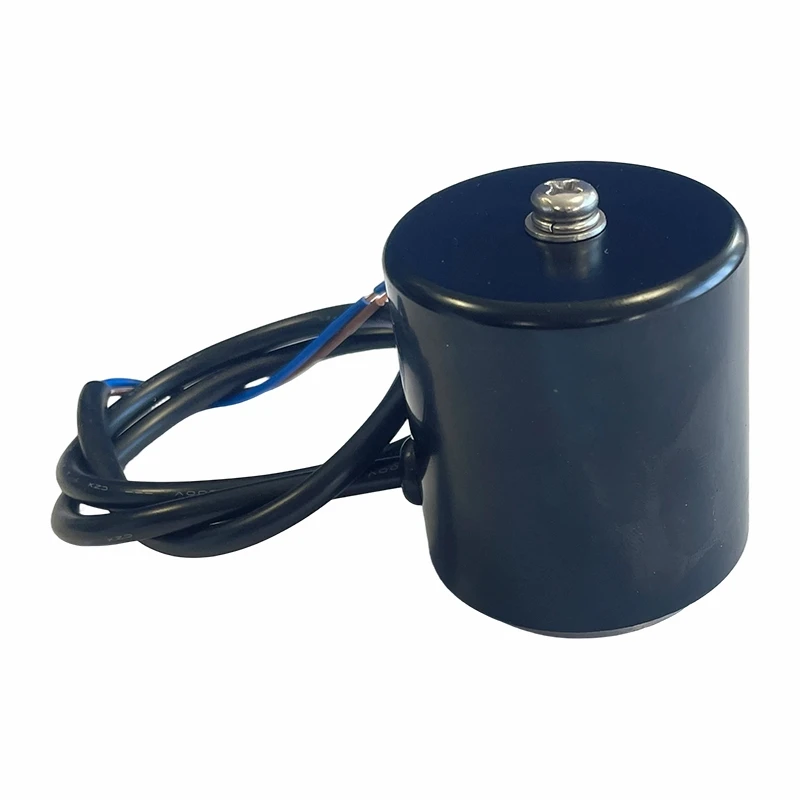
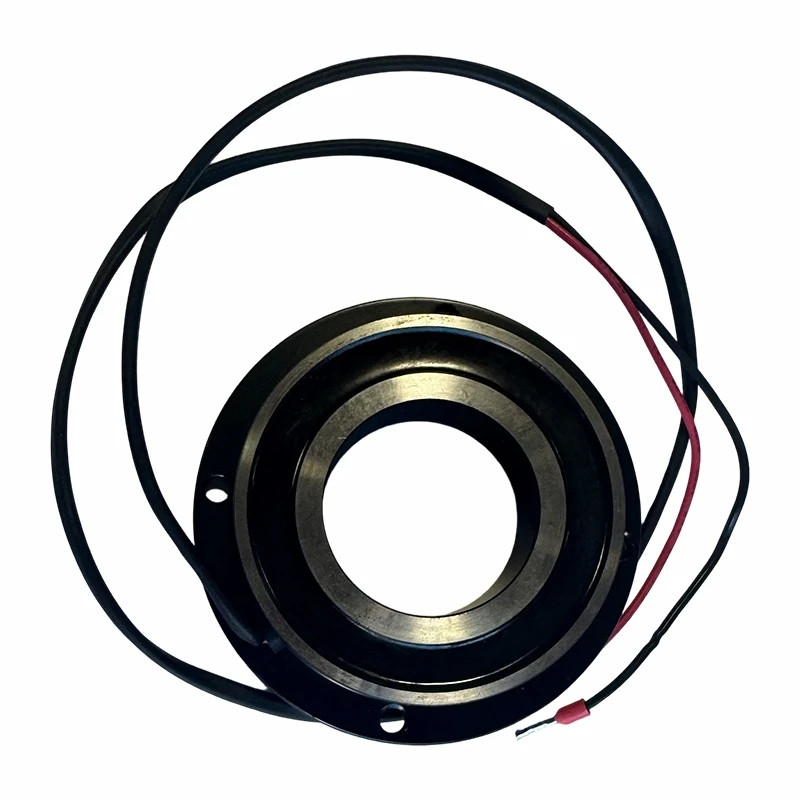
We also offer a range of services to help our customers optimize the performance of their electromagnets. Our team of experts can provide technical support and advice on the design, installation, and maintenance of your electromagnets. We can also help you select the right electromagnets for your application, based on your specific requirements and budget.
In addition to our standard products and services, we also offer custom solutions for customers with unique requirements. Our team of engineers can work with you to design and develop custom electromagnets that are tailored to your specific needs. Whether you need a waterproof electromagnet for a harsh environment or a holding electromagnet for a specific application, we can help.
Conclusion
The magnetic coupling between multiple AC electromagnets is a complex yet fascinating phenomenon that has significant implications in various industries. While magnetic coupling can have both positive and negative effects, it also offers many opportunities for innovation and improvement. As an AC electromagnet supplier, we are committed to providing our customers with high-quality electromagnets and services that meet their specific needs. If you are interested in learning more about our products and services, or if you have any questions about magnetic coupling, please [contact us for procurement and negotiation].
References
- Electromagnetics: Principles and Applications by Nathan Ida
- Electrical Engineering: Principles and Applications by Allan R. Hambley
- Power Electronics: Converters, Applications, and Design by Ned Mohan


