

What factors should be considered when selecting an Ex Solenoid?
Leave a message

When it comes to selecting an Ex Solenoid, there are quite a few factors that you gotta take into account. As an Ex Solenoid supplier, I've seen firsthand how important it is to make the right choice. So, let's dive into these factors one by one.
1. Environment and Hazardous Areas
The first thing you need to think about is the environment where the Ex Solenoid will be used. If it's going to be in a hazardous area, like a place with flammable gases or dust, you need an Ex Solenoid that's designed to meet the relevant safety standards. These standards ensure that the solenoid won't cause any sparks or overheating that could potentially lead to an explosion.
For example, in an oil refinery, there are lots of flammable gases around. You can't just use any old solenoid. You need one that's specifically made for such a high - risk environment. Our company offers a range of Ex Solenoids that are certified for different hazardous area classifications. So, you can be sure that the solenoid you choose will be safe to use in your particular situation.
2. Operating Temperature
The temperature of the operating environment also plays a crucial role. Solenoids have a specific temperature range within which they can operate efficiently. If the temperature is too high, the solenoid's insulation might break down, leading to a short - circuit. On the other hand, if it's too cold, the solenoid might not be able to generate enough force to function properly.
Let's say you're using a solenoid in a freezer. The low temperature can affect the performance of the solenoid. You need to select a solenoid that's designed to work well in cold conditions. We've got solenoids that can handle a wide range of temperatures, from extremely cold to very hot. So, whether you're in a freezer or a furnace room, we've got you covered.
3. Voltage and Power Requirements
Another important factor is the voltage and power requirements. You need to make sure that the solenoid you choose can operate with the power supply available in your system. Using a solenoid with the wrong voltage can damage the solenoid and also pose a safety risk.

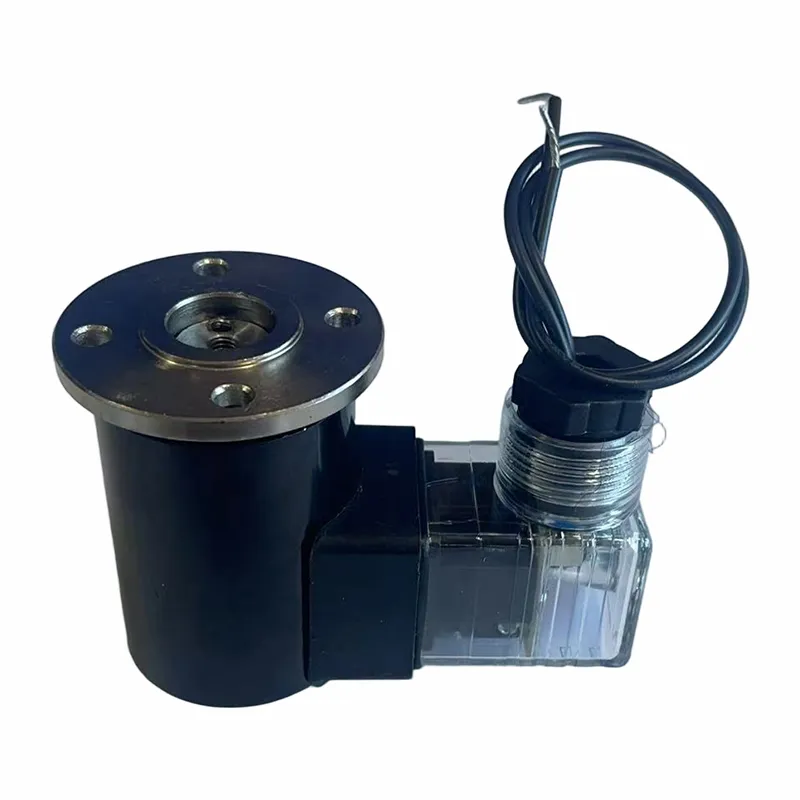
For instance, if your system runs on a 24 - volt power supply, you need to select a solenoid that's rated for 24 volts. Using a 110 - volt solenoid in a 24 - volt system won't work, and it could cause the solenoid to burn out. We offer solenoids with different voltage and power ratings, so you can easily find one that matches your system's requirements.
4. Stroke and Force
The stroke and force of the solenoid are also key considerations. The stroke refers to the distance that the solenoid can move, while the force is the amount of power it can exert. You need to choose a solenoid with the right stroke and force for your application.
If you're using the solenoid to open and close a small valve, you might not need a solenoid with a large stroke or a lot of force. But if you're using it to operate a heavy - duty machinery component, you'll need a solenoid with a longer stroke and more force. We can help you determine the right stroke and force for your specific needs.
5. Duty Cycle
The duty cycle of a solenoid is how often it can be turned on and off. Some applications require the solenoid to be on all the time, while others only need it to be on for short periods. You need to choose a solenoid with a duty cycle that matches your application.
For example, in a continuous - operation system like a conveyor belt control, you need a solenoid with a high - duty cycle. Using a solenoid with a low - duty cycle in such a system will cause it to overheat and fail quickly. We offer solenoids with different duty cycles, so you can select the one that's right for your application.
6. Type of Application
The type of application also matters a great deal. Different applications have different requirements. For example, in the medical field, you might need a Medical Electromagnet that's very precise and reliable. In a steam valve control system, you'll need an Electromagnet for Steam Valve that can withstand high temperatures and pressures. And if the solenoid is going to be used in a wet environment, you'll need a Waterproof Electromagnet.
We understand that different industries have different needs, and that's why we offer a wide range of Ex Solenoids for various applications. Whether you're in the medical, industrial, or any other field, we can provide you with the right solenoid.
7. Maintenance and Serviceability
Maintenance and serviceability are often overlooked but are very important. You want a solenoid that's easy to maintain and service. A solenoid that's difficult to access or repair can cause a lot of downtime and increase your costs.
Our solenoids are designed with easy maintenance in mind. They have simple structures and are made with high - quality materials that are durable. If there's ever an issue, our team of experts can provide you with quick and efficient service.
8. Cost
Last but not least, cost is always a factor. You want to get the best value for your money. But remember, the cheapest option isn't always the best. You need to balance the cost with the quality and performance of the solenoid.
We offer competitive prices for our Ex Solenoids. We believe in providing high - quality products at a reasonable price. So, you can get a great solenoid without breaking the bank.
In conclusion, selecting an Ex Solenoid requires careful consideration of these factors. As an Ex Solenoid supplier, we're here to help you make the right choice. If you're in the market for an Ex Solenoid, don't hesitate to contact us for more information and to discuss your specific requirements. We can guide you through the selection process and ensure that you get a solenoid that meets all your needs.
References
- General knowledge of solenoid technology and application requirements.
- Industry standards and regulations for hazardous area equipment.


